Curatorial Text
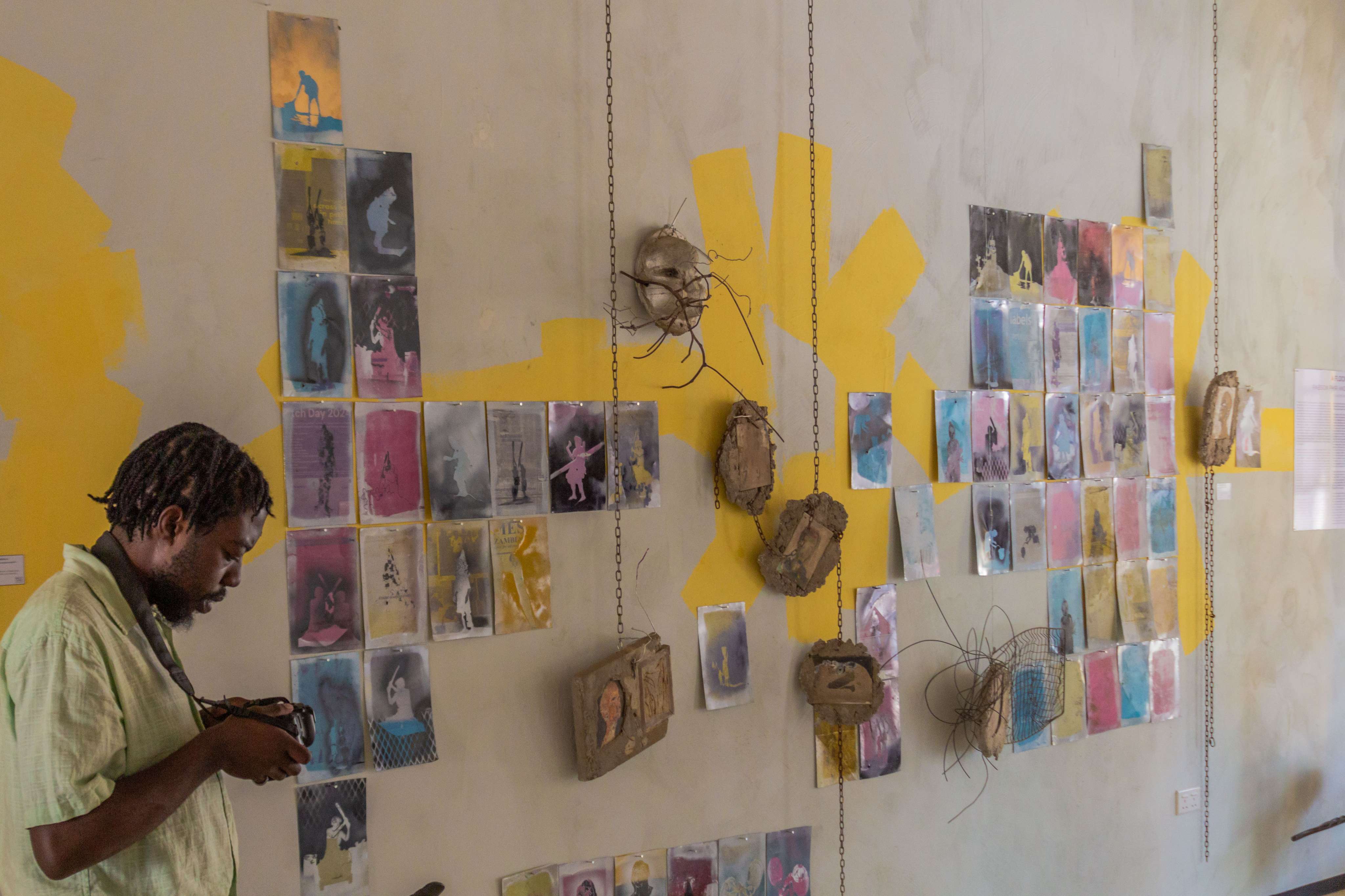
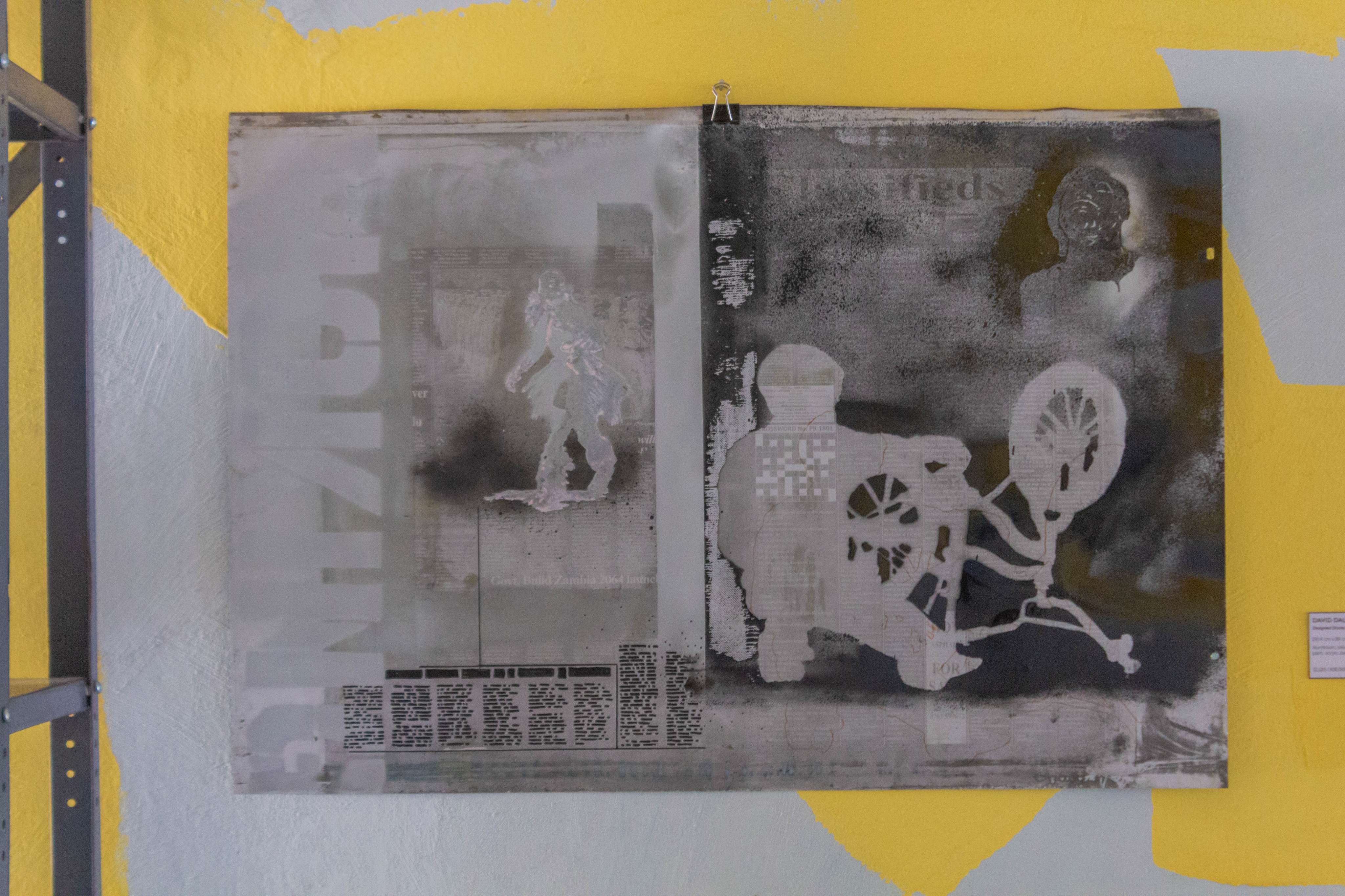
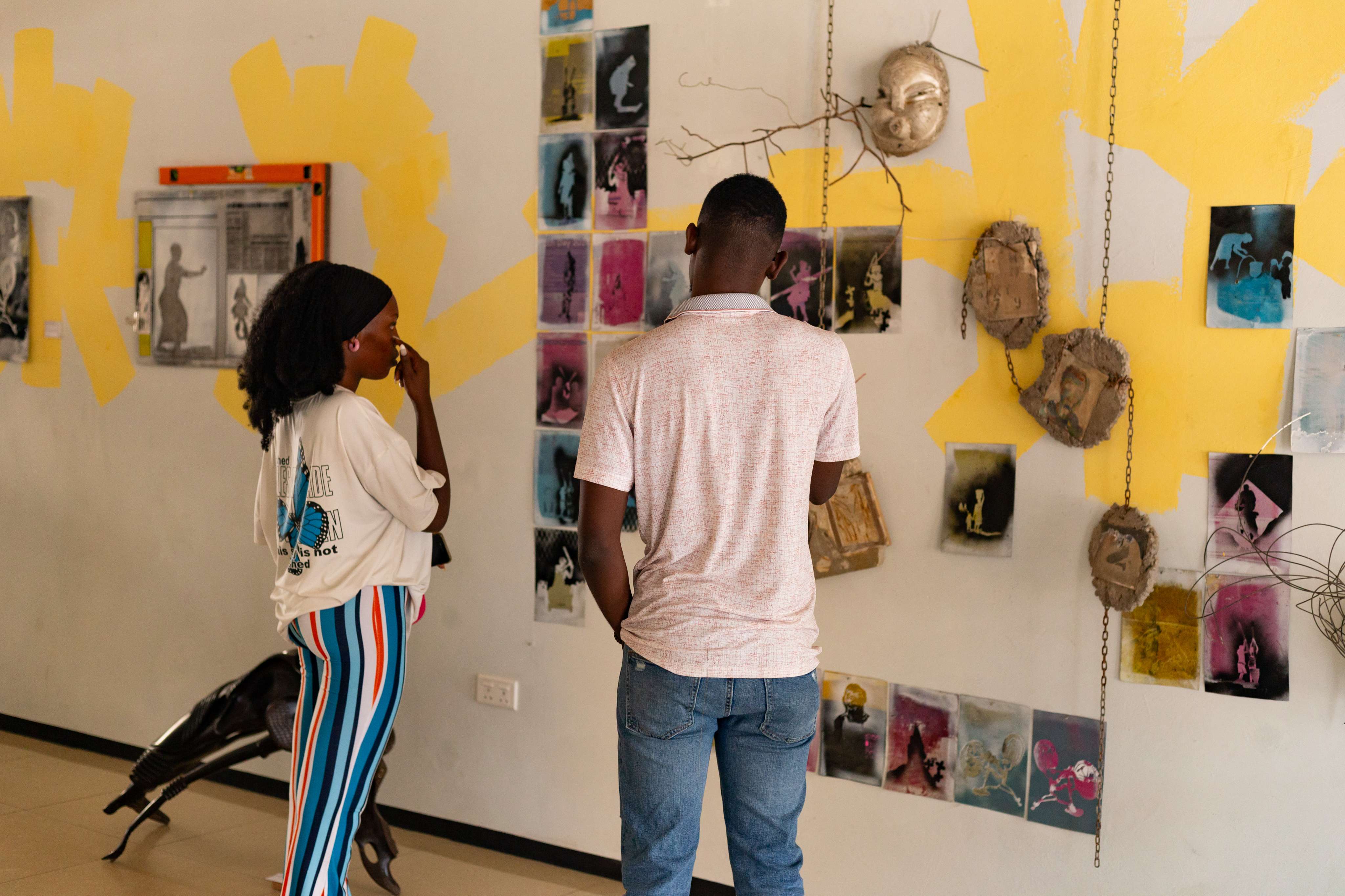
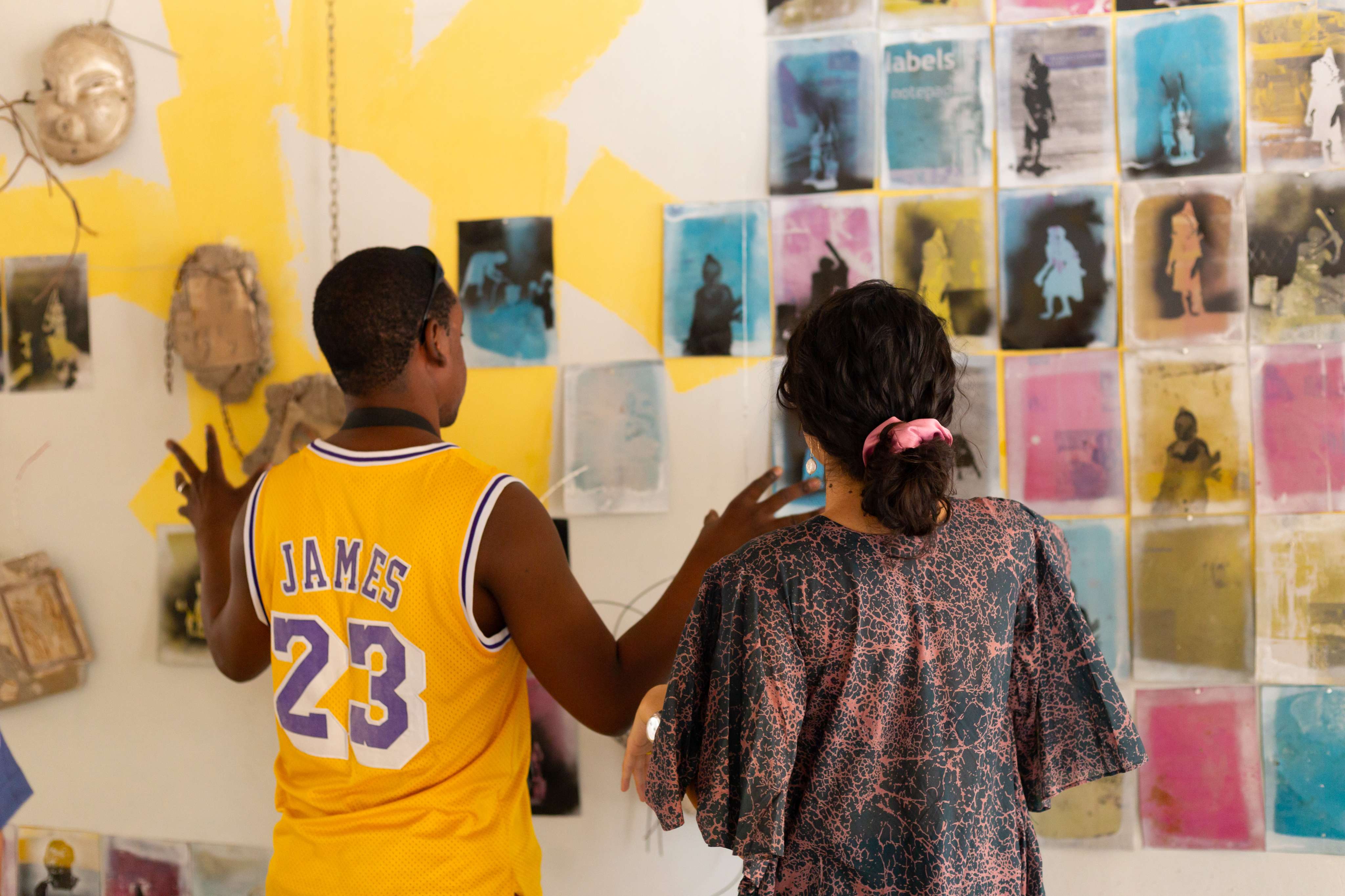
“A Flock of Voids” is choreographed as a formation of objects that resemble a flock of migrating and moving figures. The title of the exhibition holds reference to the displacement of people across the Atlantic during the slave trade. Intergenerational voids were created through the annihilation of indigenous culture, and new lands became homes to people from Africa and India in the Americas. Africans and Indians were indentured to colonies as forced cheap labour to replace the void that arose in the post-abolition era of slavery. A new chapter in plantation economies was devised that brought prosperity to Europe. Europe found an industrial enlightenment based on this prosperity drawn from exploitation and it scripted the aesthetics of Modernism. In the post war years reeling from its disgust for the inhumanity it inflicted upon itself and others - the artists of Europe began revolting through practices that questioned its comfort through Conceptual art.
However, timelines of art history have been linear in the occidental context while modernity in Africa has been an ongoing aspiration for society. In societies that have not yet encountered industrialisation concepts such as ‘found objects’ and ‘arte povera’ cannot be drawn into definitions of art through a simple philosophical construction of it being conceptual art. Connecting the practices of Rabson Phiri and David Daut Makala is how they excavate an object’s past to present a discourse that arrives from both a realm of aesthetics and politics. Using found materials and adapting them into new languages, ‘foraging’ becomes an active act of production of their artwork. Both artists developed their artmaking vocabularies by reconstructing historical contexts and aesthetic philosophies. They bring our understanding of their work back to an African paradigm. Art needs to be defined and perceived in a nonlinear fashion that is not occidental in its philosophical underpinnings. Rather, it needs to hold the spiritual and holistic understanding of its role in society.
Download PDF.jpg)
.jpg)
.jpg)
.jpg)
.jpg)
.jpg)