History Of The E.W TARRY Building
E. W Tarry is named after Edward Wallace Tarry – a South African machine distributor in the late 19th century. The building was originally built in 1920 and was set up as one of the first trading posts in Northern Rhodesia. Operating under the British South African Company, it is said to have had colonialist Cecil Rhodes on its board of directors. Over the years, as the extractive colonial project expanded, E. W Tarry had become the largest importer of machinery on the mining fields in South Africa. After Zambia’s independence, the building was acquired by Zambia National Holdings Limited, which is owned by the United National Independence Party (UNIP) – the political party that fought for Zambia’s freedom.
According to the National Heritage Act, anything built before January 1st 1924 is considered a heritage site and is protected by law. In 2017, the building underwent major reconstruction under supervision from the National Heritage Conservation Commission to preserve its original aesthetic – white walls and a green corrugated roof, complete with the “Tarry’s Corner” signage which hangs over the corner of Cairo Road and Kalundwe Road. Located at this junction, E. W Tarry sits right in the middle of the central business district of Lusaka.
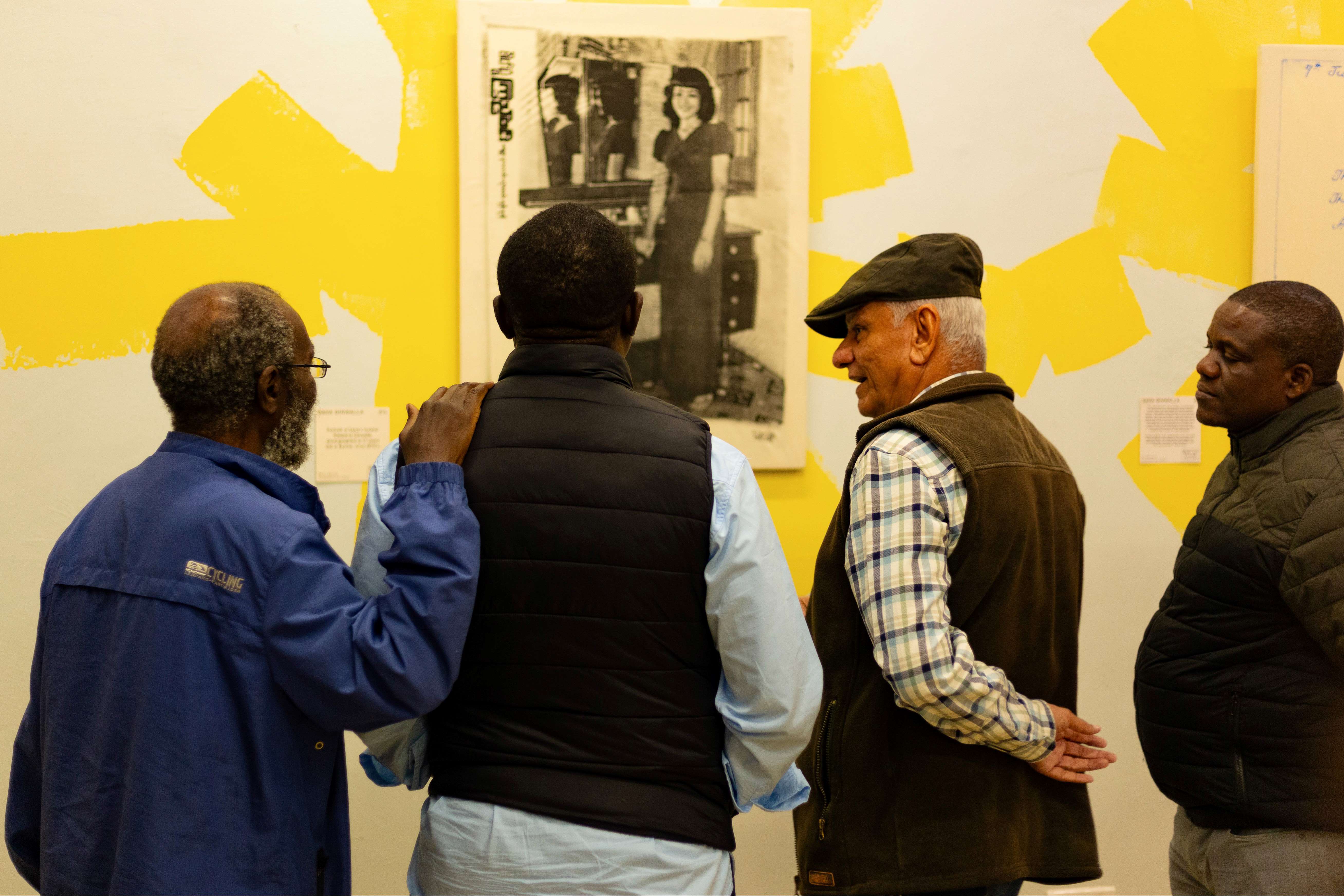
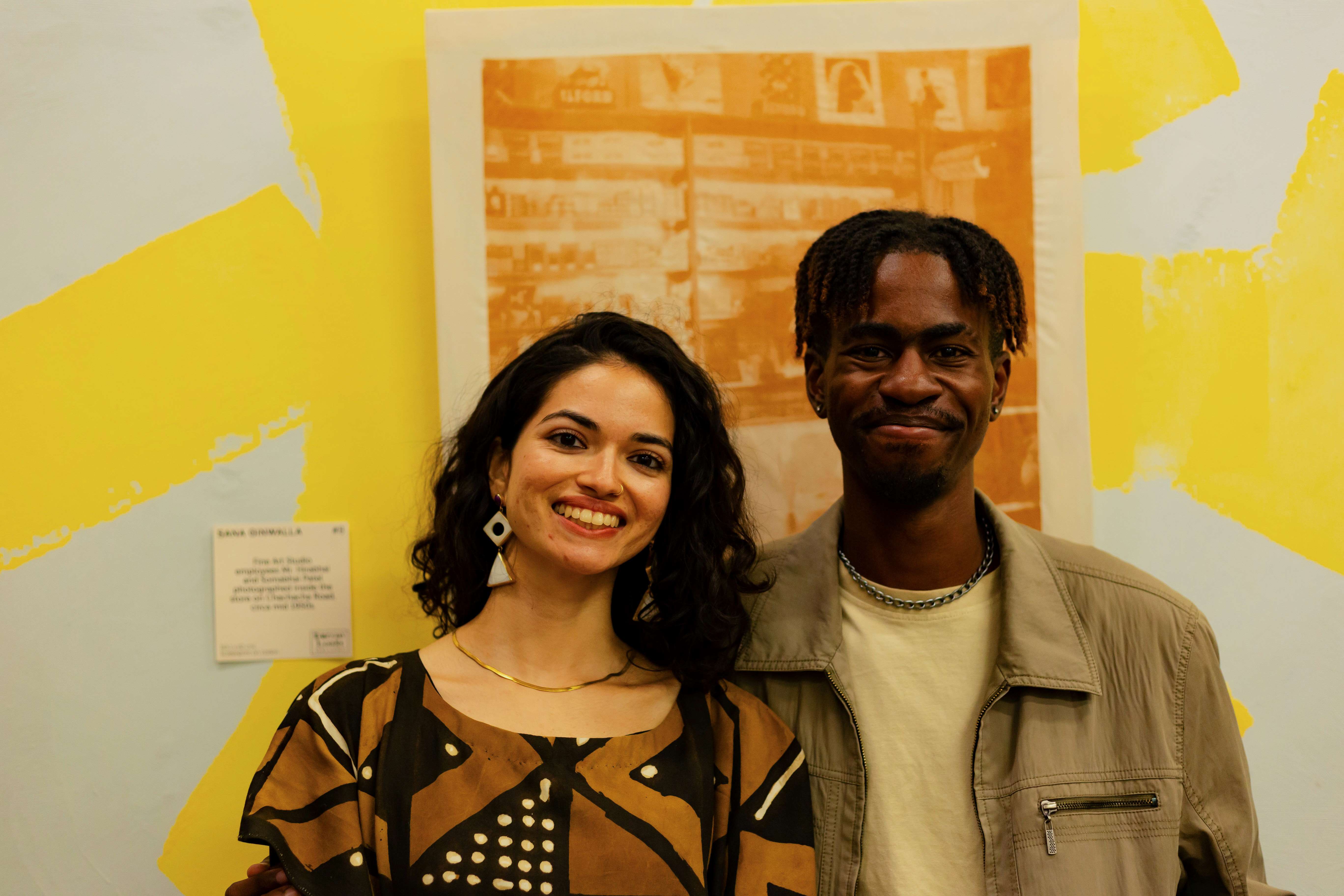
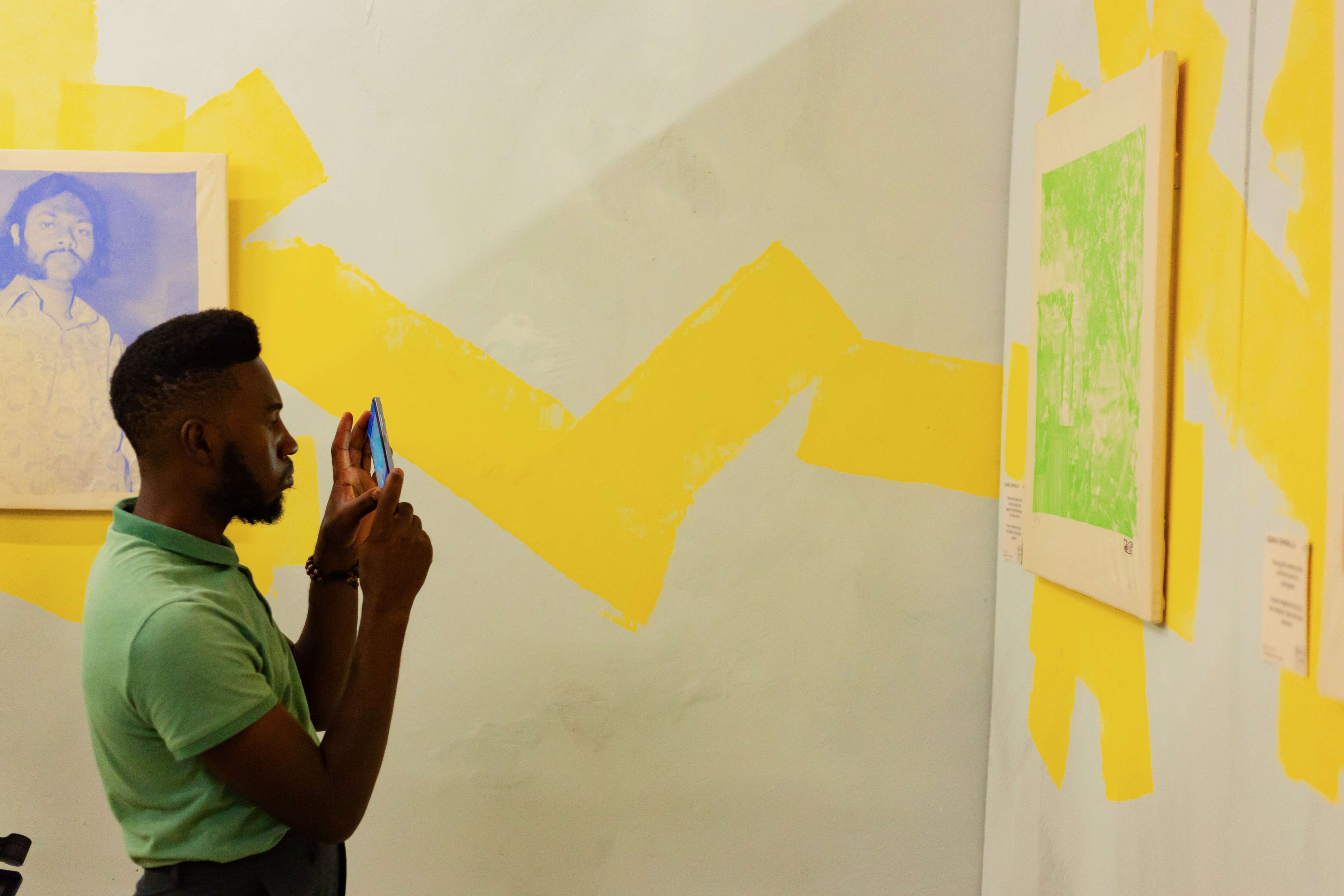
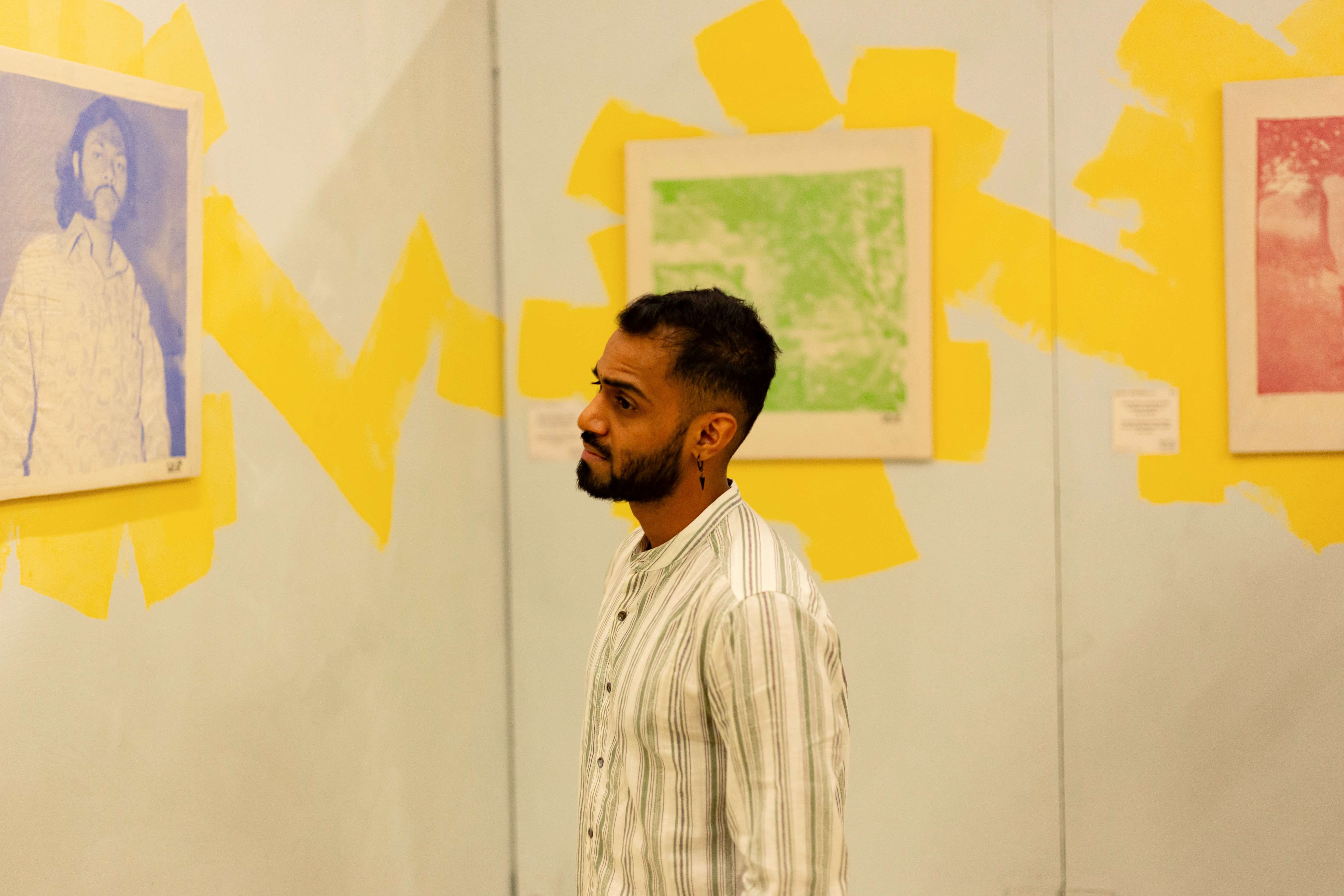
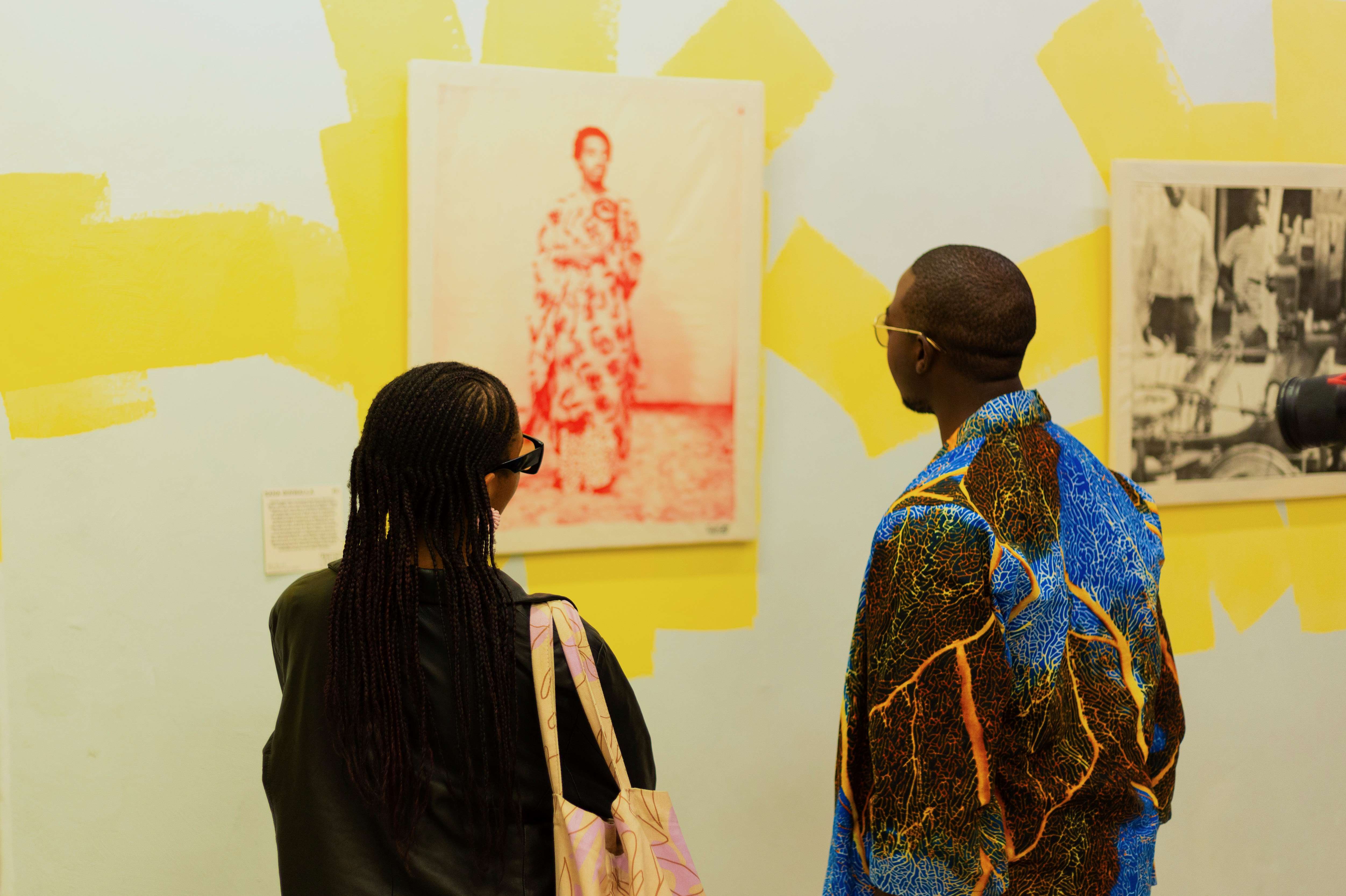
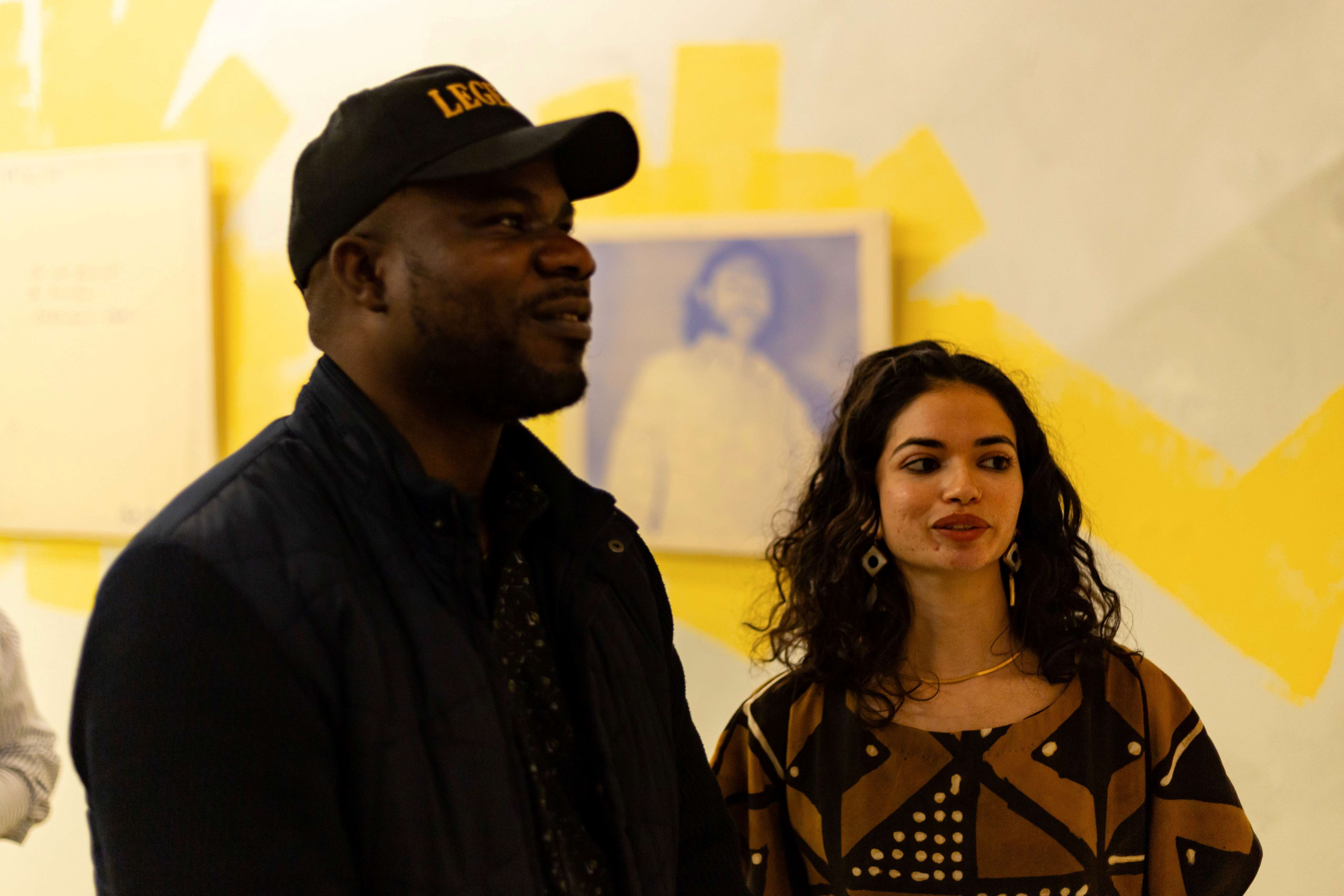
In opening the Everyday Lusaka Gallery in a seemingly inconvenient or unideal space, Everyday Lusaka contests the idea of where art would conventionally be encountered an art Lusaka. Daily, the energy, sounds and people of Lusaka and its streets permeate into the gallery space. This is a space where all kinds of people walking the streets, looking for and selling various items, will stumble upon art.
Download PDF
.JPG)